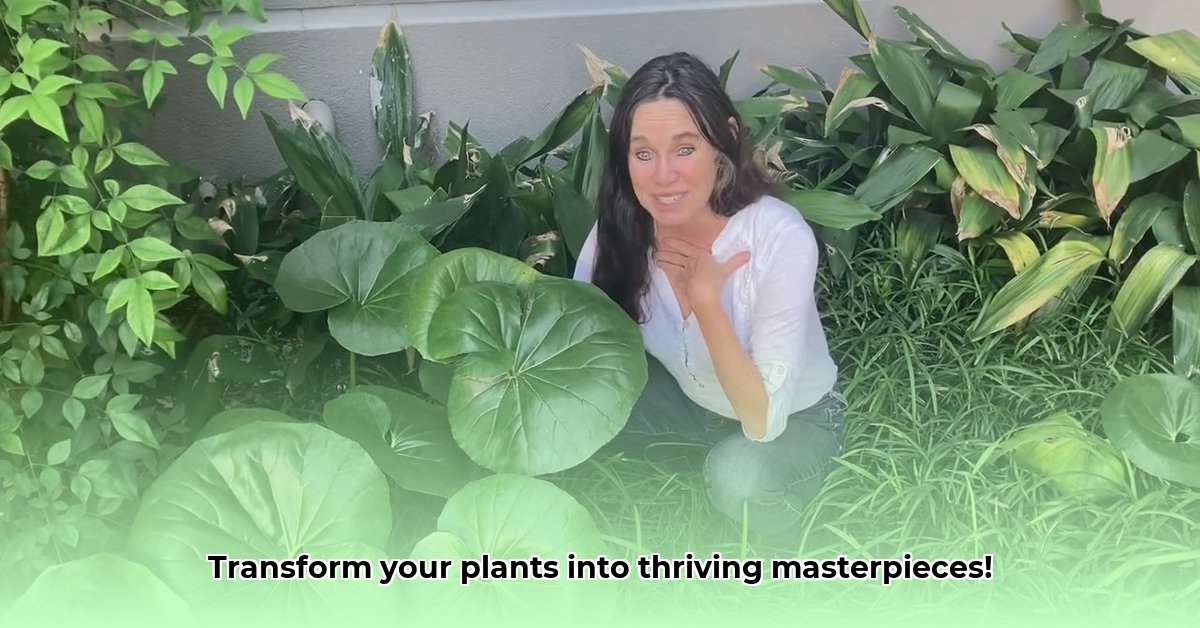
Growing Farfugium japonicum, commonly known as the tractor seat plant, is a rewarding experience for gardeners of all levels. This comprehensive guide provides step-by-step instructions and expert tips to ensure your plants thrive. Whether you're a seasoned gardener or just starting out, we'll equip you with the knowledge to cultivate these beautiful and resilient plants. For more gardening resources, check out our plant nursery.
Propagation: Expanding Your Tractor Seat Plant Collection
Expanding your collection of tractor seat plants is surprisingly straightforward. Two primary methods offer reliable results: division and stem cuttings.
1. Division (for established plants): This method is ideal for larger, mature plants. Gently lift the plant from its pot or the ground, carefully separating the root ball into several smaller sections. Ensure each section contains a healthy portion of roots and leaves. Replant immediately, keeping the soil consistently moist until the divisions become established.
2. Stem Cuttings (for single plants): If you only have one tractor seat plant and wish to propagate it, stem cuttings are the perfect solution. Take 4-6 inch cuttings from healthy stems, removing the lower leaves to leave only a few at the top. While optional, dipping the cut ends in rooting hormone can improve success rates. Plant the cuttings in a moist, well-draining potting mix and maintain warmth and humidity (a propagator dome or plastic bag can help). Rooting typically occurs within a few weeks.
Which method suits you best? Division is quicker for larger plants, while stem cuttings allow for multiple new plants from a single specimen. Isn't it amazing how easily you can multiply your gorgeous plants?
Cultivation: Creating the Ideal Growing Environment
The key to thriving tractor seat plants lies in creating the "Goldilocks zone"—the perfect balance of sunlight, water, and soil.
1. Sunlight: Tractor seat plants prefer bright, indirect light. A location with morning sun or filtered light is ideal. Avoid harsh, direct sunlight, which can scorch the leaves. Have you considered the optimal light exposure for your garden layout?
2. Watering: Maintaining consistently moist soil is crucial, but avoid waterlogging. Excellent drainage is paramount to prevent root rot, a common problem leading to plant death. Water when the top couple of inches of soil feel dry to the touch. Overwatering is a common mistake—don't let your plants sit in soggy soil!
3. Soil: A well-draining soil rich in organic matter is essential. If your soil is heavy clay, amend it with compost to improve drainage and aeration. This will ensure proper water drainage and ample space for root development.
4. Feeding: While not heavy feeders, tractor seat plants benefit from a balanced liquid fertilizer diluted to half strength during their growing season (spring and summer). Follow the product label instructions for correct application. A small boost can make a big difference in plant health. Do you know the best fertilizer for your specific soil type?
Pest and Disease Control: A Proactive Approach
While generally robust, tractor seat plants can be susceptible to pests and diseases. Proactive strategies are essential for maintaining healthy plants.
1. Natural Solutions: Organic solutions offer effective and environmentally friendly pest control. Diatomaceous earth and neem oil are excellent options. Regular inspection for pests and diseases is crucial for early detection and intervention.
2. Prevention: Good air circulation is essential. Avoid overcrowding plants to ensure adequate spacing. Consistent, but not excessive, watering helps prevent many problems. Remove any diseased leaves promptly to prevent the spread of disease.
Sustainable Gardening Practices: Eco-Friendly Cultivation
Growing tractor seat plants can be environmentally responsible. Propagating your plants reduces the need for purchasing new ones, minimizing your environmental impact. Using organic pest control and practicing water conservation further enhance the sustainability of your gardening efforts. Consider harvesting rainwater to water your plants – it's a free and eco-friendly resource!
Risk Assessment Matrix for Tractor Seat Plant Care
Understanding potential risks and mitigation strategies is vital. This risk assessment matrix highlights key areas of concern and their solutions:
| Method/Technique | Likelihood of Failure | Severity of Failure | Overall Risk | Mitigation Strategies |
|---|---|---|---|---|
| Stem Cuttings | Low | Low | Low | Use well-draining mix; maintain appropriate humidity. |
| Plant Division | Low | Low | Low | Handle roots gently; water thoroughly after planting. |
| Diatomaceous Earth | Low | Low | Low | Follow package directions; avoid excessive application. |
| Neem Oil | Low | Low | Low | Follow directions; monitor for impact on beneficial insects. |
| Overwatering | Moderate | Moderate | Moderate | Check soil moisture; ensure good drainage. |
| Ignoring Pests/Diseases | High | High | High | Regular inspection; immediate action if problems arise. |
Consistent monitoring and proactive care are fundamental to successful tractor seat plant cultivation. By following these guidelines, you'll enjoy healthy, thriving plants for years to come.